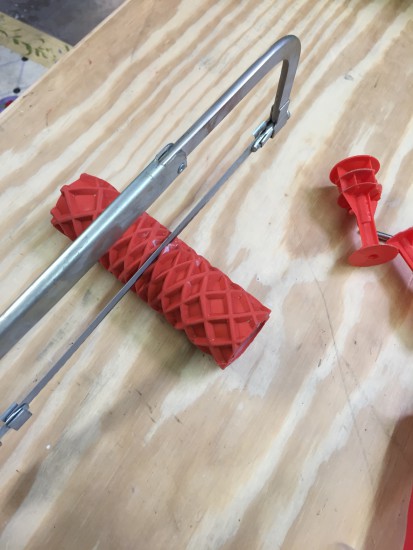

Free shipping on orders over $100! **After discounts have been applied & Continental US only

Jennifer

Customized Pillows with Stamping Rollers!

Pillow Covers and Fabric

When you have something in mind and can’t find it, whether it’s the color or pattern, here is a great way to create exactly what you want!!!

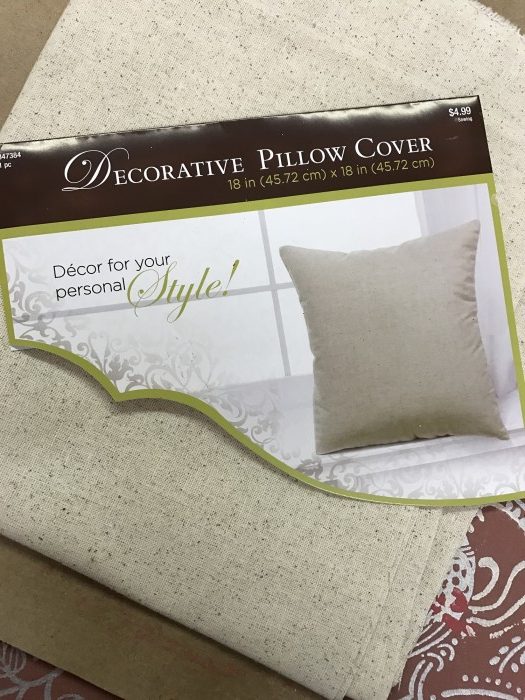
I was looking to add some new pillows to the living room and just couldn’t find exactly what I had in mind, so I decided to create what I wanted!!!  One of biggest challenges was finding the pillow covers in the exact size and fabric I liked. I searched online without much luck and then finally went to Hobby Lobby.  I did find a nice cotton blank pillow cover which worked out wonderful!  I purchased the ones they had in stock, a total of four pillow covers, but didn’t want to play or practice on these.  So while I was at Hobby Lobby, I purchased several yards of fabric that was similar to the pillow covers. This is a much cheaper way to experiment and play with ideas and techniques!!!
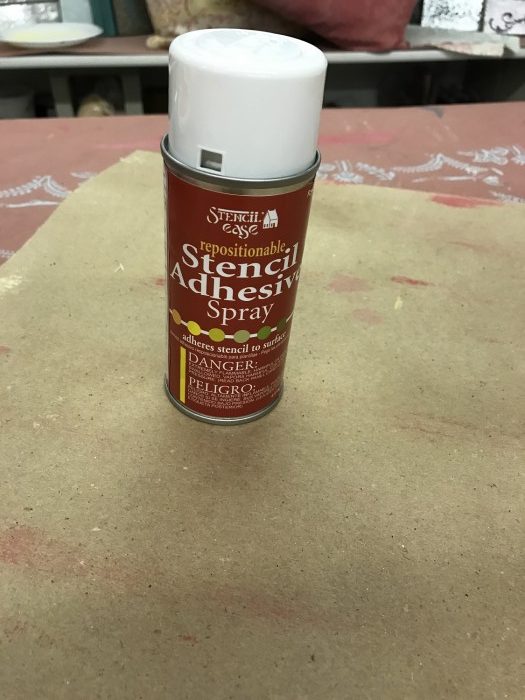
Re-positionable Spray Adhesive and Card Board

I have been painting on fabric for many years (at least 20) and one of the best things I have discovered with all my painting is a re-positionable spray adhesive! Th best brands I have found are Stencil Ease and Aleene’s.  Find some smooth card board and spray one side of it with the spray adhesive. Make sure to do this outside, it is not good for you to breathe!!  This will be your working surface for the fabric.  Smooth out the fabric onto the “sticky” board, it will hold it in place while you paint.  This is fabulous when your fabric doesn’t stretch or pull while painting!!!
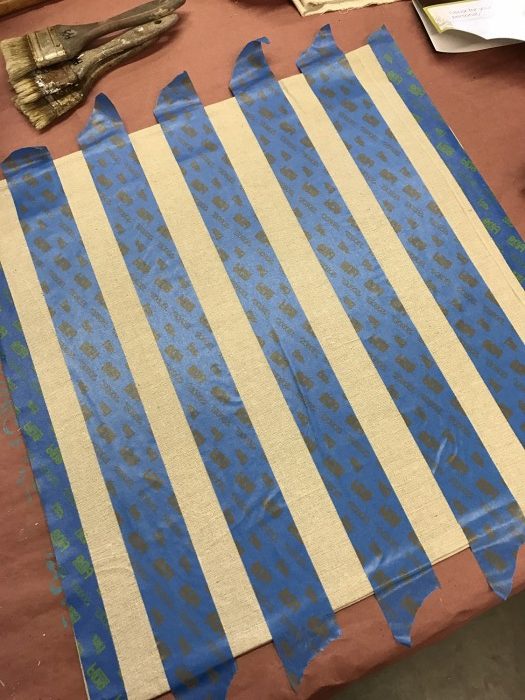
Taping out stripes

One of the pillows I painted had a striped back ground.  Here is an easy technique for measuring with tape. Basic eye-balling, but it works and it is fast!!  Apply the first piece of tape in the middle of the pillow and work out to either side.  I started with a 1.5″ piece of tape in the middle and then used the 1″ small pieces of tape for measuring.  Just position the small piece of tape next to the 1.5″ on either side and then apply the next full piece of 1.5″ tape – this gives you a little over a 1″ space between stripes to paint.  Continue the pattern until you have finished the pillow.  You can always watch the video if this doesn’t make since.  LOL!  Remove all the small pieces of tape used for measuring.
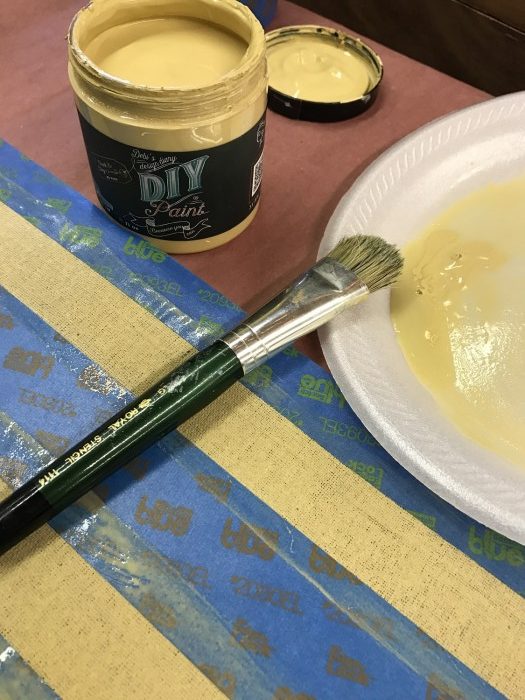
Painting stripes with Cake Batter

Once the tape is all applied, make sure to rub the edges of the tape to secure it down and make sure no paint bleeds under.  This is very important!!  I used the Debi’s Design Diary DIY Paint Cake Batter for the stripes.  Just water it down a little, this makes it soak into the fabric much easier.  Paint in all the stripes with Cake Batter and then remove all the tape and allow to dry.
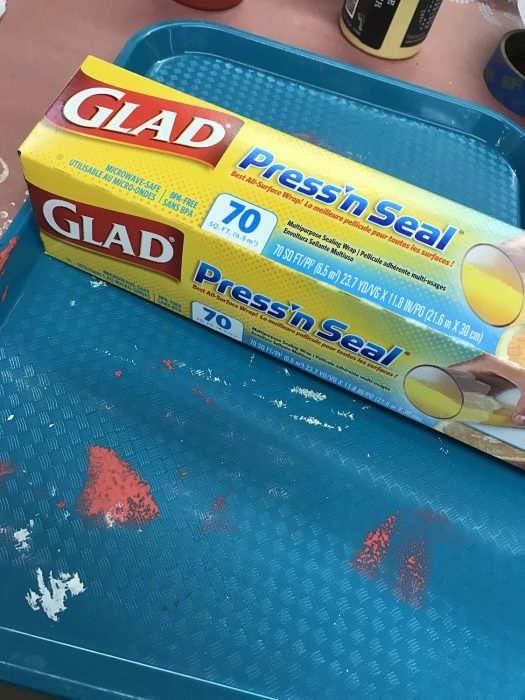
Serving Tray and Press-N-Seal

Next you want to load your stamping roller 🙂  The Stamping rollers are so much fun to work with!!  Okay, let’s get to loading this thing!  First, I like using a serving tray and Press-N-Seal for my paint tray.  Works better than regular paint trays for me.  Line the serving tray with Press-N-Seal and then pour out some of the paint onto the surface.  I used Carnival Red from DIY Paints and added about 10-15% water.  We want the paint to soak into the foam applicator.  Roll back and forth to load the paint into the foam applicator and/or brush the paint onto the foam.  Once the foam applicator is loaded, you will install the pattern roller into the frame, Serenity Damask is the pattern I used.  Roll out onto some paper to practice and load the pattern.
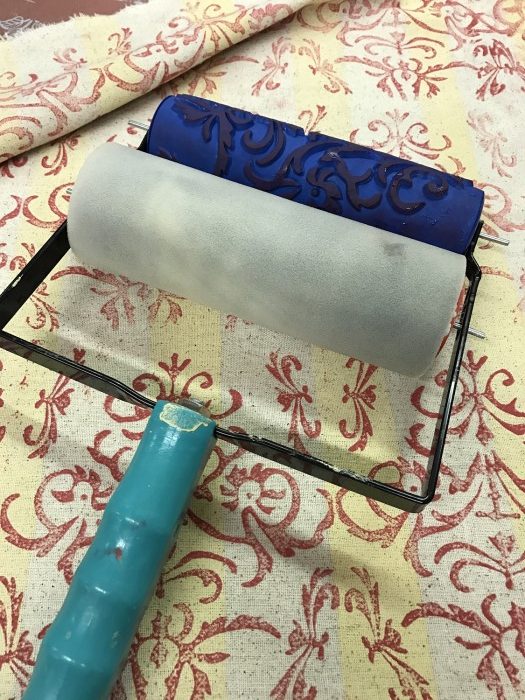
Serenity Damask Stamping Roller

I taped down the edge of the fabric to make sure the roller didn’t pull up the fabric as I was rolling.  Just line up one of the edges and roll the pattern onto the fabric.  I tried to line up the pattern by starting at the same spot and starting at the same section of the roller design.  Allow paint to dry and then place in dryer to “heat set” the paint.
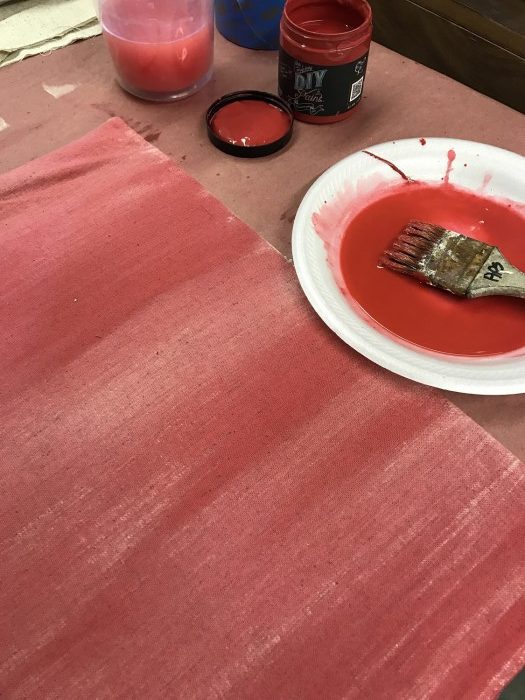
Washing fabric with Carnival Red DIY Paint

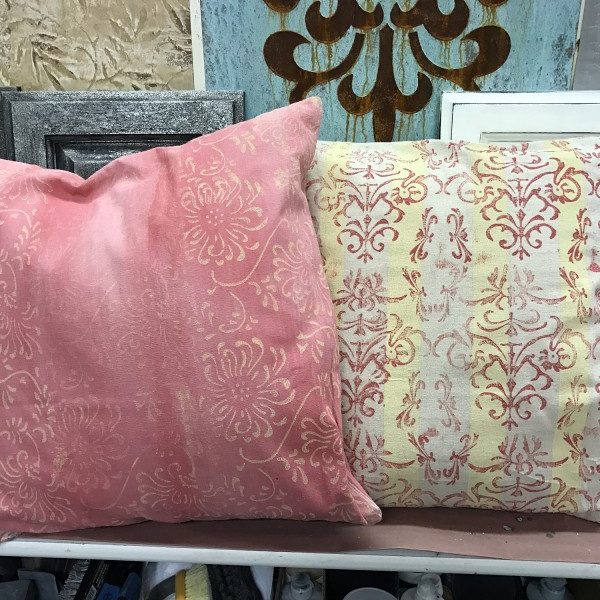
The second pillow I created I decided to paint the back ground with a faded washed style look.  Again, use the sprayed card board surface to smooth your fabric onto.  I mixed the Carnival Red with more water this time to create more of a “wash” from the paint.  Apply with a “stiff” chip brush, so that you can scrub the paint into the fabric.  If the paint is too dark, just add water to your brush and scrub back and forth keeping it as straight as possible and allowing the color to be variegated.  Allow the fabric to dry.
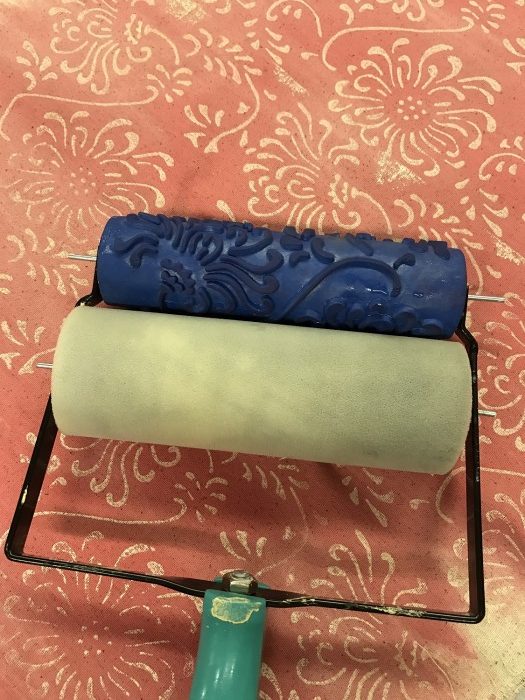
Chrysanthemum Stamping Roller

For this pillow I decided to use the Chrysanthemum Stamping Roller and used the Crinoline paint from DIY.  Again, you will load the foam roller the same way on the serving tray.  Attach the pattern roller and roll out on paper to load the design and practice.  Tape fabric to the table so it doesn’t roll up into the roller and roll out the design.  Do not push hard, the rubber is really soft and loads easy!!!  Allow all the paint to dry and “heat set” in the dryer.
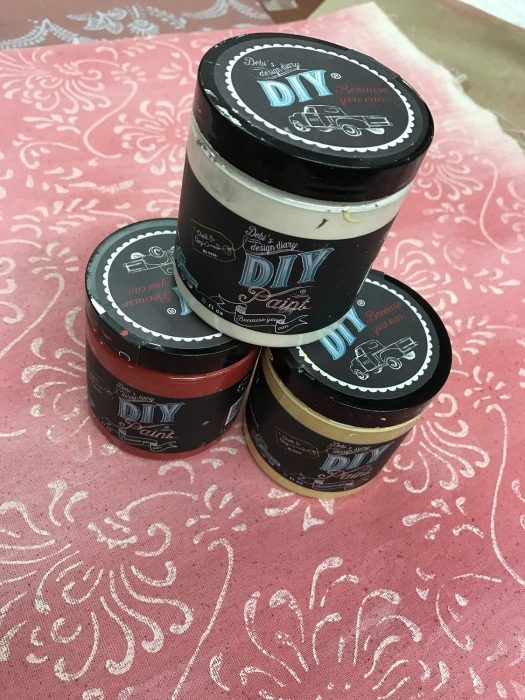
DIY Paints used!
Completed Pillows

These pillows are a fun example of what you can create!  Allow your imagination to run wild!  Check out all of the Stamping Roller patterns and see what you can create!

Supplies and Materials needed:


I sure hope that you have enjoyed this project!  Make sure to check out the Hometalk Live Video on my YouTube Channel and make sure to Subscribe!!!!  🙂

Have a Blessed Day and keep painting!

Hometalk LIVE DIY – Metallic Foiled Crosses!!!
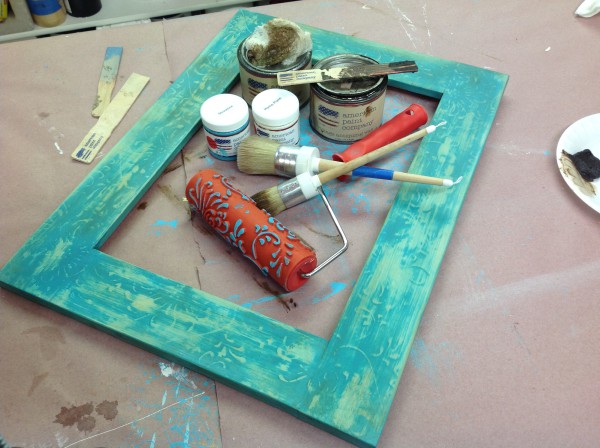
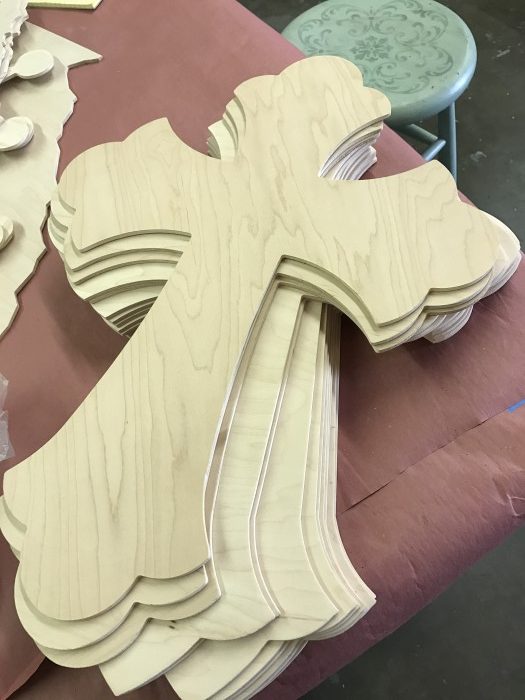
Large Wooden Crosses

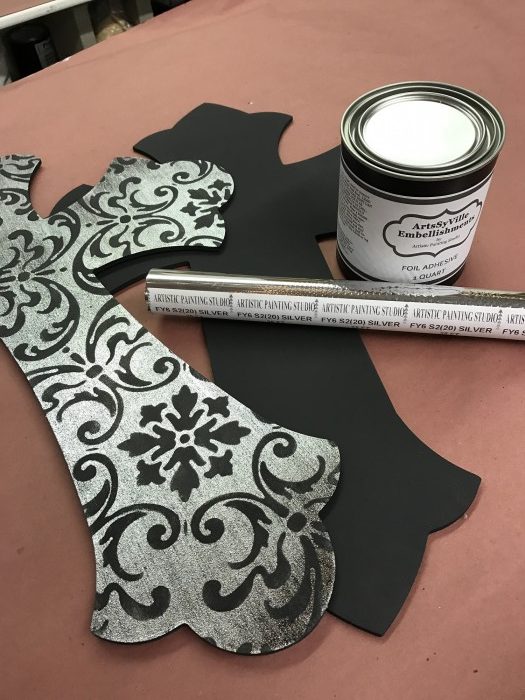
When I discovered these large wooden crosses – I immediately fell in love and knew I had to Foil them!  All my friends and family have a cross wall in their homes and I knew these would be great gifts once I was done making them fabulous!

So I ordered a ton of these crosses, knowing that once everyone saw the transformation – you would want one!

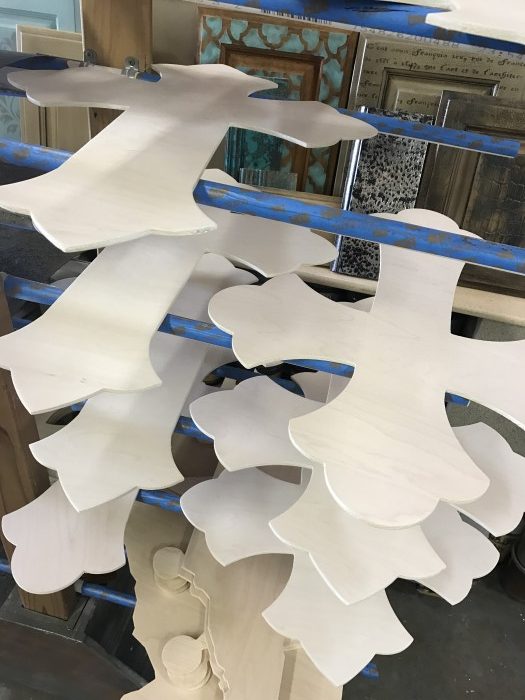
Primed Crosses

I started out with priming them (probably not necessary – but I prime everything)!!!  The priming did raise the grain of the wood – so sanding was necessary.  Just a light sanding with 220 grit sandpaper (btw – any paint I had used would have raised the grain of the wood – so sanding would be necessary no matter what) and I was ready for the next step.

Painted with Little Black Dress and ready to foil

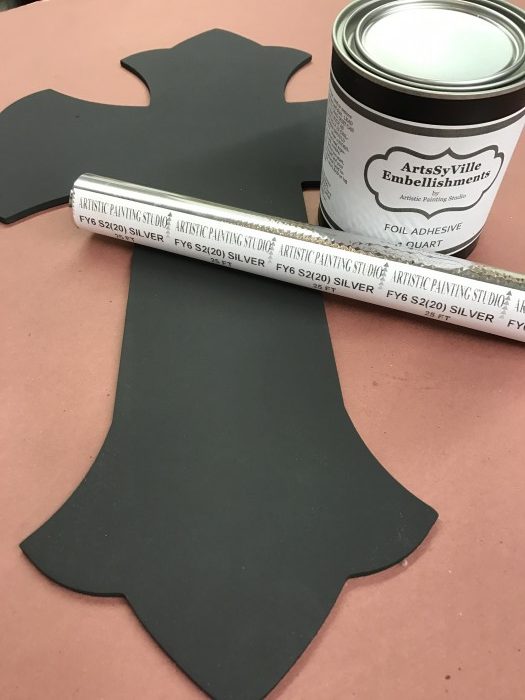
I decided I wanted some contrast with the Silver Foil I was planning to use and painted the cross Black using Debi’s Design Diary DIY Paint – Little Black Dress.  I love using this paint – one coat of the Little Black Dress and I was done!

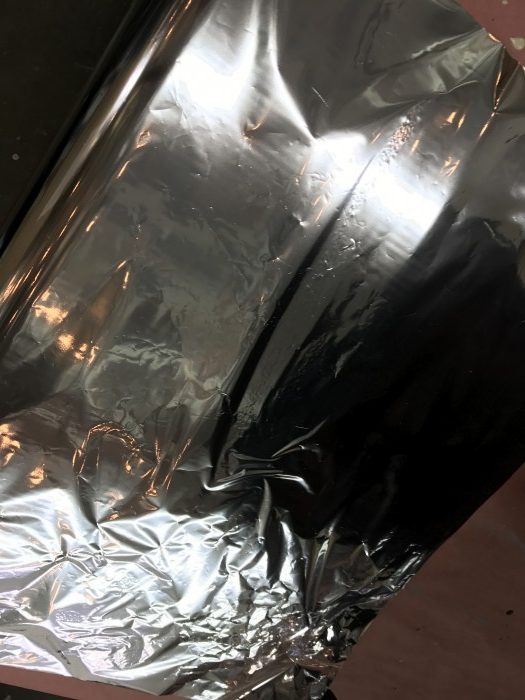
Now it’s time to get Foiling!!!  So, let’s talk about foils and what they are.  The metallic foils I use are a metallization on the backside of cellophane and we need a very tacky surface to transfer them.  You also want to make sure that you are working with easy to release foils – both of these things are necessary for a an easy and fun Foil Finish!!!

Transferring the Foil

First things first – let’s start with my amazing Foil Adhesive and apply one coat to the painted cross.  Allow this to dry to a firm tack (this can take 30 to 60 minutes and it doesn’t matter how long you leave it before transferring – it will never dry beyond a firm tack).  I used a Wooster low nap roller and rolled on one coat, you can easily see where it is – as it is milky white when applying and dries clear.

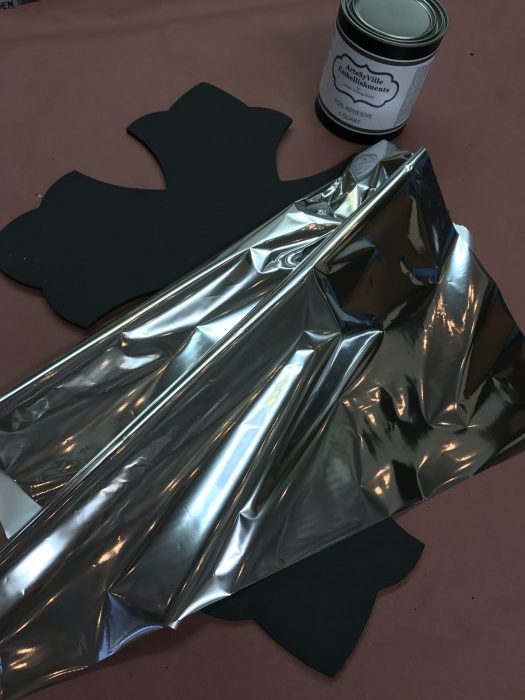
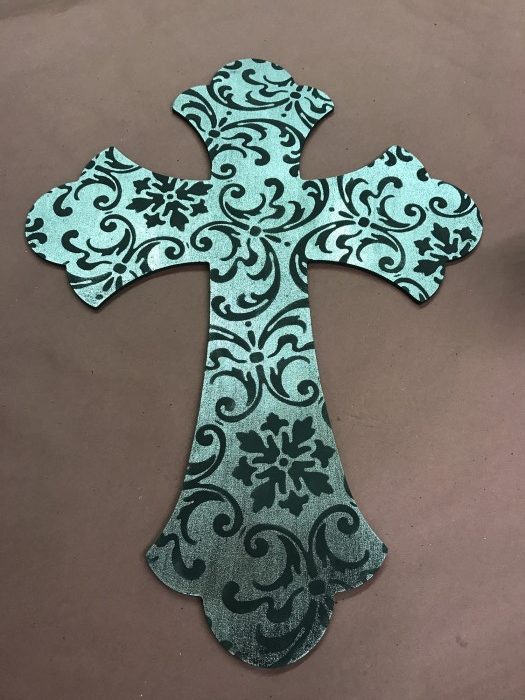
Now that our Foil Adhesive has dried to a firm tack we are ready to get Foiling 🙂  I have cut a piece of foil large enough for the project (if you have a smaller roll – cut enough pieces for you project). Lay the foil onto the tacky surface with the “shiny/colored” side facing up and smooth out the surface using a terry rag. Start transferring the foil by rubbing back and forth with the terry rag and see how much transfer you are getting – lift up one side of the foil and “peak” under to see the transfer.  If you have not received the transfer you were looking for – place the foil back down and get out your scrubber brush and scrub the surface in a vertical motion, then check again.  Once you are happy with the Foil transfer – remove the foil cellophane and you will have a Bright and Shiny Silver Finish.  No need to wait for anything – we can move onto the next step!!!

Pouncing Foils

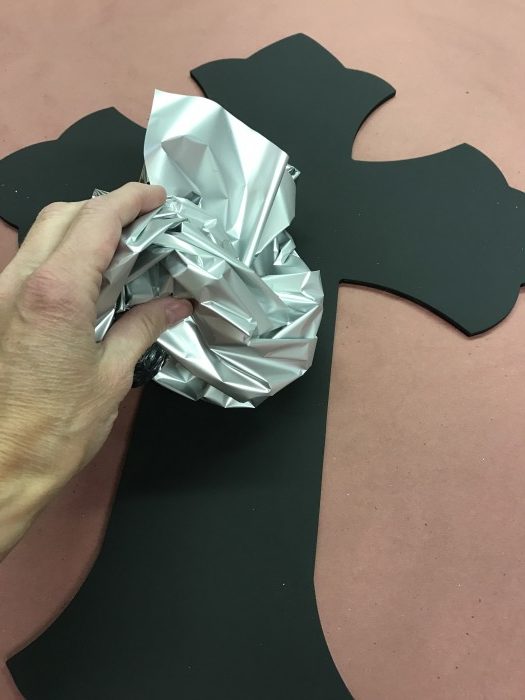
(Pouncing Foil Option – crinkle foil up into a ball with the “shiny” side on the inside of the ball and pounce the foil onto the surface.  Keep re-positioning the foil to a new area and pounce as much coverage as you desire).

Stenciling with DIY Paints – Little Black Dress

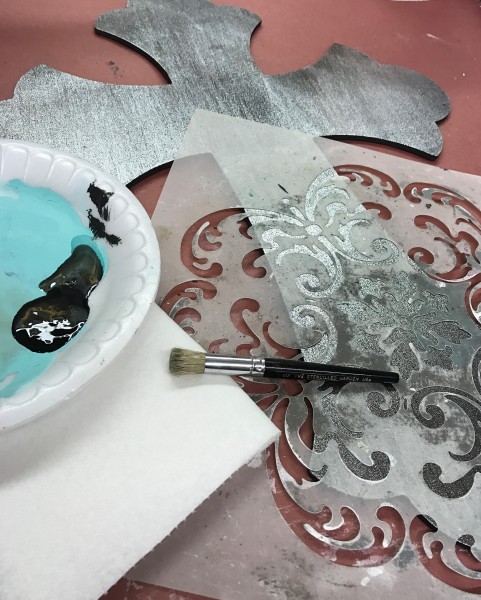
I choose my Hampton Medallion stencil for this project – I love how it looks with in a all-over-repeat and figured it would be great for this project.  Position stencil at the top of the cross for your first repeat and attach with blue painters tape.  I’m using the DIY Paint Little Black Dress for the stenciling – I know this paint will cover very well.  For detailed stenciling instructions – here is a link to my Stenciling Video. Stencil the Hampton Medallion using the Little Black Dress DIY Paint and a dry brush technique – keep re-positioning the stencil until you have covered the entire cross.

Once everything was dry – I drilled a small hole at the top of the cross so that I could use ribbon to hang the crosses.

Here are a few other samples I created with the same process – just changing up the color options.

For more information on working with foils – check out this video – Installing Foils.

Hope you have enjoyed this fun project and get foiling!!!

Blessings,

Jenn


Hometalk LIVE – Coffee Table makeover!!!

Yard Sale find -  score!!!
Yard Sale find – $10 score!!!

I hope you had the chance to join or watch me on Hometalk Live – if not, make sure to watch it on Facebook at Hometalk Live with Jennifer 🙂  This was a ton of fun and I’m looking forward to my next project in December!!!  WOOHOO 🙂

As I always start my projects, this table went out the back door for a good sanding and cleaning – the previous owner had a “love-affair” with Pledge!  Many layer and layers of build-up needed to come off. Once the sanding was complete, I cleaned the table with a mixture of Vinegar and water 50/50 – this helps to remove dirt and grease.  Even with all my efforts – I still felt there was some of the Pledge build-up left and I was done with sanding (if you know what I mean)!!!  So to insure that all my efforts would stick – I decided to prime the entire piece with XIM Primer for adhesion (XIM has lot’s of different primers – make sure to find the one you need for your project).

Taping off center panel and priming

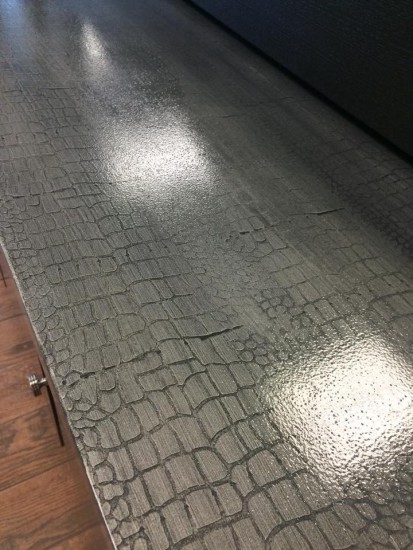
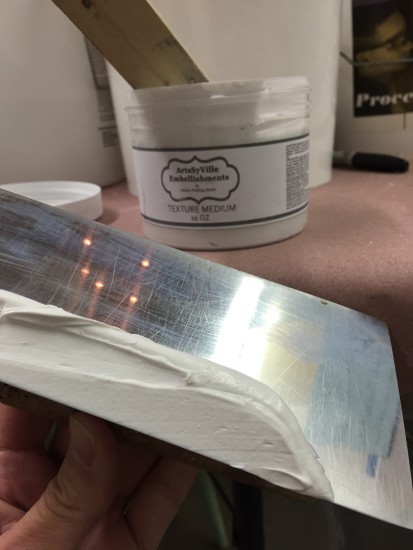
I wanted to get the center panel done first, so I taped off at the recessed grove in the table and primed with XIM primer.  Allowed this to dry and then started on the Crocodile pattern.  Using my brand ArtsSyVille Embellishments Texture Medium – I troweled on a thin (1/16″ to 1/8″ thickness) layer of Texture Medium using my Japanese Trowel.  This takes a little practice using a trowel – but check out my YouTube Video’s for more instruction on this technique.  I troweled the Texture Medium over the entire center panel and while it was wet, I rolled the Crocodile Roller through the wet material.  As you can see the top had a stripe of wood that went down the middle of the panel – this was my guide.  I rolled through the center following the wood stripe and then rolled to the right and left – centering the pattern on the panel.

Crocodile Roller through wet Texture Medium
Crocodile Roller
Crocodile Roller

After rolling the Crocodile Roller through the wet AE Texture Medium – I removed the tape and allow the Texture Medium to dry completely.  While I was waiting for that to dry, I finished priming the rest of the table.  Once the Texture Medium is dry – you will need to sand down the “peaks” that the roller creates as it lifts up the material a little – I just sand by hand, using 150/220 grit sandpaper and sand by feel, not sight.  You just want to smooth out the rough areas – don’t element the pattern you have created.  Once it was sanded, I dusted and cleanup up the top to get it ready for it’s first layer of paint!!!

Table painted in Smoke and Old 57

The center panel with the Crocodile roller was painted in the Modern Masters Metallic Smoke color – this paint color covers very well and I actually did get full coverage with one coat.  When you watch the video, you will notice that the metallic paints show very distinctive brush/roller marks – this is due to the metallic particles in the paint.  As you brush or roll in one direction, it’s laying the particles down in that direction, which shows the brush marks.  Best to brush in one direction to element as many brush marks as possible – I wasn’t worried with this project, I knew I was layering over it and everything else I was doing would hide those marks!!!  (But, I do suggest practicing with metallic paints – they are a little tricky).  The rest of the table was painted in Debi’s Design Diary DIY Paints Old 57 (one of my favorite colors) – I applied two coats for complete coverage, allowing the first coat to completely dry before applying the second coat.  Once all the base painting was completed – it was time for some Dry Brushing 🙂

Dry brushing Teal over Smoke
Dry brushing Seaglass over Old 57

I love the Dry Brushing technique – this adds depth and dimension while highlighting the texture.  To create a dry brush technique – first, you want to start with a Filbert style stencil brush or an older stiff Chip brush (it’s best with a stiffer bristle).  Pour a little paint onto a palette (or foam plate) and pick up a little paint on the bristles, work the paint into the brush and then off-load all the paint on a paper towel (yes, this seems crazy – but it’s the only way to create a true Dry Brush).  The dryer the better, this puts you in control of the paint and so you can place it where you want. With a light touch, brush over the area you want to highlight – on the top, I highlighted all the Crocodile pattern, bringing out the edges and creating depth – this was done with Modern Masters Metallic Teal (such a beautiful combination).  Then as I went onto the Old 57 on the rest of the table I used the SeaGlass by DIY Paints – I was looking to create a little more interest and highlight all the detail – this will be subtle when completed, but adds that extra depth that you don’t see all the time!

Sealing with Final Coat

So, with my choice to use the DIY Chalky Paints – I did add another step for myself.  Which meant I had to seal the paint before glazing – Chalky paints are way too porous to glaze directly over and have any control of your glaze.  This is one of my FAV sealers and I love that you just wipe it on – Final Coat the Wipe on Varnish.  Just tip the bottle onto a staining pad – just allow a little product to come out and wipe onto the surface – it’s meant to go on paper thin and it dries within minutes!!!  Allowing you to go to the next step fast 🙂  I only wiped on one layer, which I knew would give me some control but I also wanted the glaze to grab a little and create a very distressed/aged look.  Once the Final Coat was dry – it was time to glaze this baby!!!

Black Glazed applied over Old 57/Seaglass

I did start with the center panel over the Metallic Smoke – which I knew would glaze easy.  I brushed on the American Paint Company Black glaze using a Chip Brush and then wiped off the excess, just leaving a little in the recessed ares of the Crocodile texture – this creates so much depth and dimension to the top and brings out the pattern!  I wiped most of the glaze off – still wanting to see the Teal that was dry brushed on 🙂  Then I started the top edge and worked my way down all around the table – it’s pretty scary brushing on a Black Glaze!  I worked in one section at a time, knowing that I only had one coat of the Final Coat and it was just giving me a little working time, but also still grabbing the glaze fast (but that was the look I was going for – Distressed/Aged).  I brushed on the glaze using the chip brush and wiped off the excess with Cheesecloth (I love using this stuff) – I left a lot of glaze behind, left more in the edges and corners to enhance the style I was going for.

If you want a cleaner more refined look with the glaze, make sure to use a least two layers of the Final Coat or a brush on varnish, which will give you better coverage and a more sealed surface. This will allow you to control the glaze better and you can almost pull all of the glaze back off, just leaving it where you want it.  There are so many looks that can be created with glaze – I think that’s why I love it so much – lot’s options and looks!!!

I waited for the entire piece to dry completely and with glaze this can be overnight.  I applied the America Paint Company Hard Coat for a durable finish (remember I have a household full of boys most of the time – we need durable)!!!

Make sure to check out my Fauxy Rollers page on Facebook – a great place to be inspired!!!

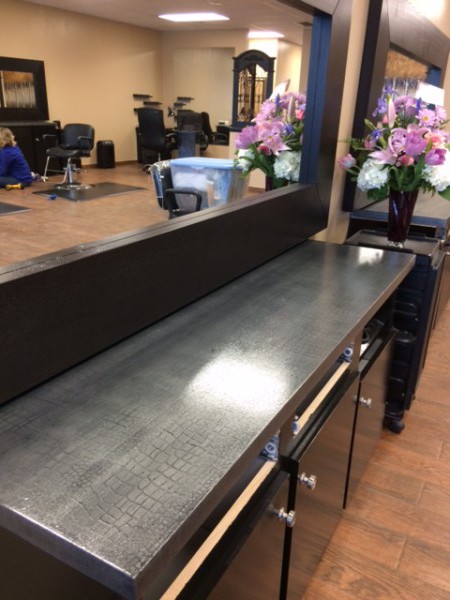
Completed Table
Completed Table


nov-22-149

Products Used:

XIM Primer

ArtsSyVille Embellishments Texture Medium

Decorative Pattern Roller – Crocodile

Modern Masters Metallic Paints – Smoke & Teal (you will have to call the studio for these products – not on website at this time)

Debi’s Design Diary DIY Paints – Old 57 & Seaglass

American Paint Company – Black Glaze & Hard Coat

Final Coat Wipe on Varnish – Semi-gloss

You can purchase all the materials and supplies through Artistic Painting Studio – If you don’t find something online, please feel free to call the studio at 714-386-3243.

Blessings and Happy Painting!!!

Jenn


Foiled Pumpkins

oct-18-014

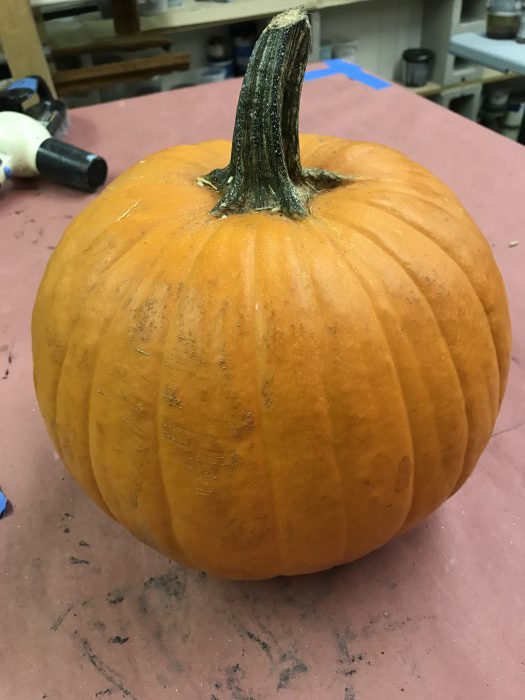
So I’m sure that I’m not the only one that has these ideas that just come to me and then it’s finding the time to make them happen!!! I had been so inspired by all the fabulous pictures I have seen over the last month of everyone’s front porch all decorated with painted, glittered, carved pumpkins!  I actually went to Michael’s and Hobby Lobby to find some plastic or paintable pumpkins – but by the time I was shopping (which was last Friday) there wasn’t much to pick from.  So when I was grocery shopping, I picked up a couple more real pumpkins – I love the character of the real pumpkins – not perfect, leaning to one side – dents and all!!!

Well the clock was ticking to get these pumpkins painted – it is already October 18th and I not only wanted them for Thanksgiving, but also wanted them done before Halloween!  So, I get the call late in the afternoon that my Honey is working overtime and the youngest has a meeting a school until 8pm……WOOHOO!!!  Guess what – I get to paint my pumpkins 🙂

Oh, course I just couldn’t paint these all by myself – it would have been fun, but not as much fun as going Live on Facebook……this way I would have some friends to paint with.  Now, I was also hoping that my idea was going to execute well – I really didn’t try this out first!  LOL  So I gathered my supplies and started to prepare one of the pumpkins to speed up the time on Live video and then had you all you join me.

This was a fun project and Thank Goodness – it really turned out awesome – just like I imagined!!!  Whew – dodged that bullet – this could have been awful…..

So here is what I did – step by step – so if you have been dying to paint or Foil some pumpkins here are the instructions and it was pretty fast project (just needed to wait for things to dry and I actually used a blow dryer to speed up the process).

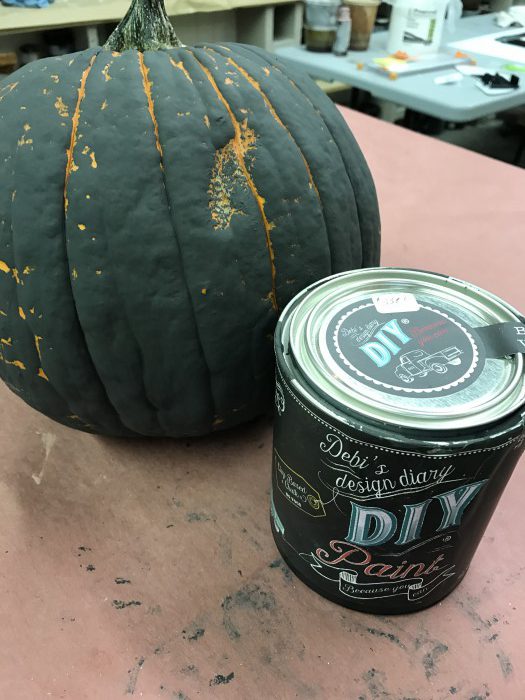
My Vons Pumpkin
My Vons $4.00 Pumpkin

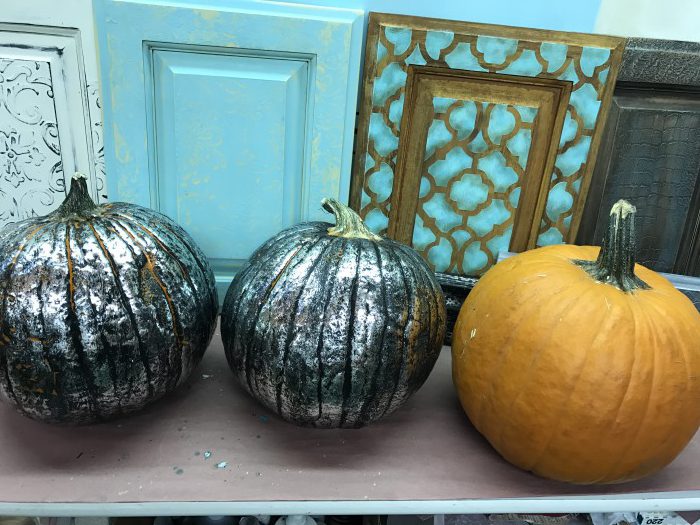
Start with some great “real” pumpkins from the pumpkin patch or Vons, like I did.  I didn’t even wash them – just brushed off any dirt that I saw and started painting.  I used Debi’s Design Diary DIY Paint – Black Velvet.  Turn the pumpkin on the side and paint the bottom first – I blow dried the bottom so that I could stand the pumpkin upright and finish the painting.  I used a 2″ paint brush and didn’t try to paint 100% coverage – allow some of the Orange pumpkin color to still show (it looks great)!

Debi
Debi’s Design Diary – DIY Paints – Black Velvet

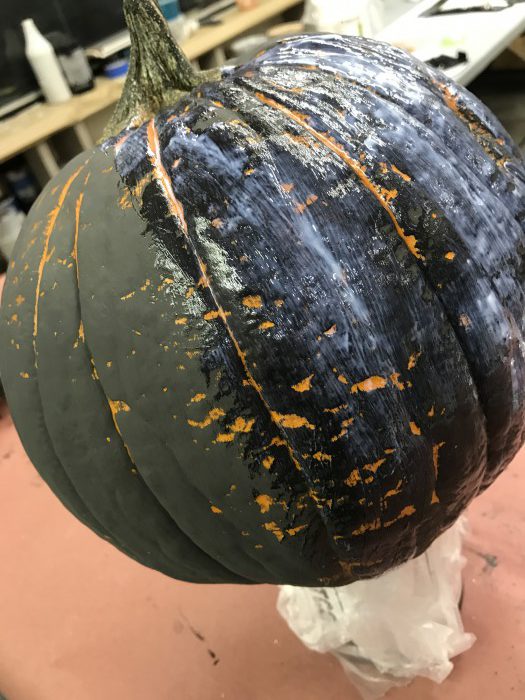
Once all the painting is done and dry – you will apply a layer of my APS Foil Adhesive.  This stuff creates a prefect “tacking finish” for the foils to transfer to.  When you apply the APS Foil Adhesive it looks milky white but will dry completely clear, shiny and tacky.  Allow the APS Foil Adhesive to dry to a firm tack – this can take anywhere form 15 minutes to 1 hour depending on the humidity.

The shiny are is where the Foil Adhesive has been applied.
APS Foil Adhesive being applied.
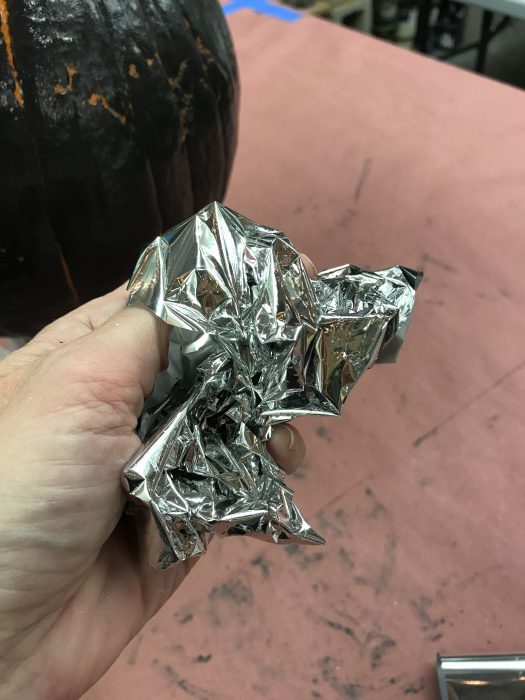
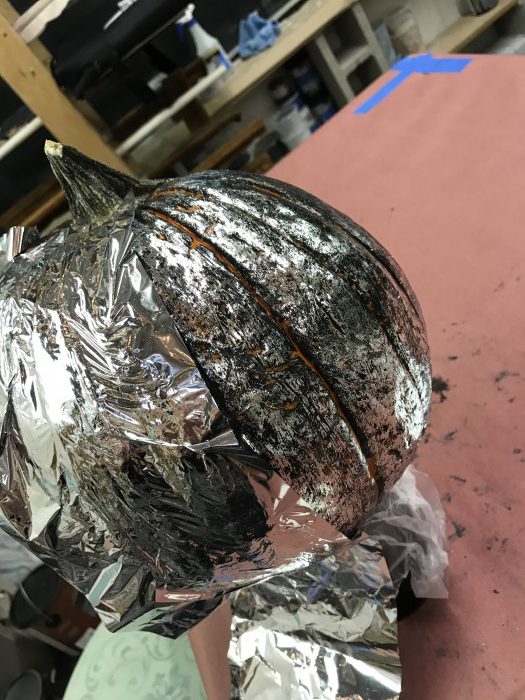
Crinkle up Foil first for this project.

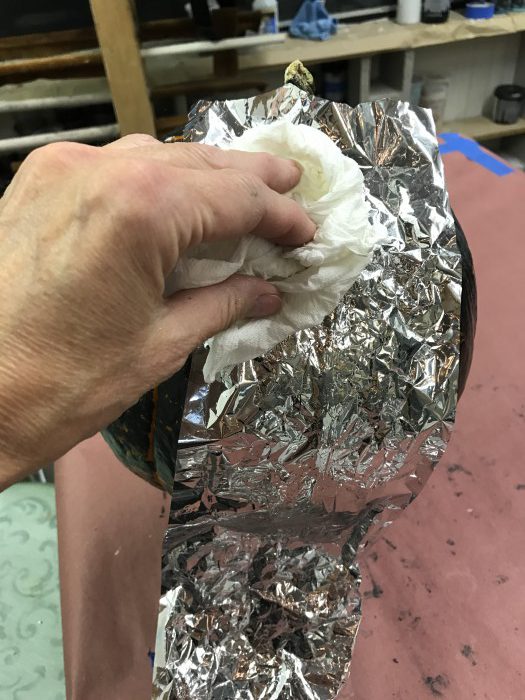
I used my Silver HS Foil – cut your foil into manageable pieces and I crinkled the foil first.  Make sure to adhere the foil to the tacky surface with the “shiny” side up facing you.  Foils are a metalization on the back of clear plastic – with a great foil adhesive and an easy release foil, they transfer to the tacky surface.  Using your hand or a soft rag, rub the shiny side of the foil and transfer as much of the Silver foil as you would like.  I left a lot of the Black showing (that was my personal favorite – but transfer as much as you like).

Rubbing the foil to transfer
Shiny side of foil facing me and rubbing the foil to transfer
Transfer as much of the Silver Foil as you like
Transferring as much of the Silver Foil as you like

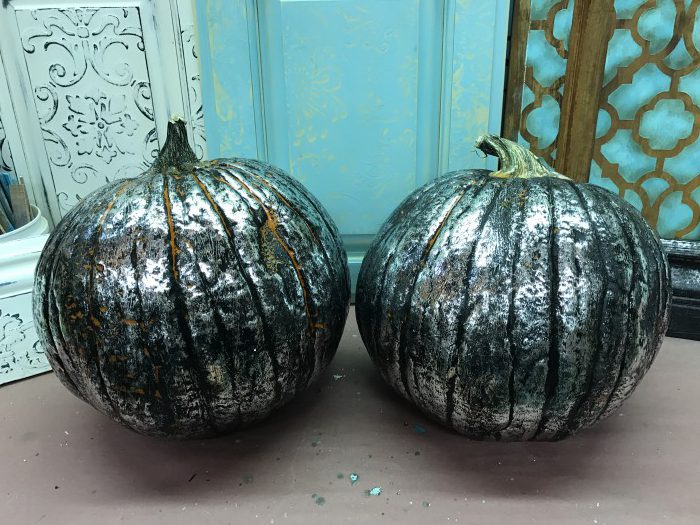
Once the foil is transferred – you can move to the next step if you have one.  I decided I liked the pumpkins just as they are – I have some of the Orange showing, the Black is a matte finish because I used DIY Paints chalky paint and then the shiny Silver foil – I love all the contrast of the different textures.  My pumpkins are still a little sticky because of the Foil Adhesive – but, these will be thrown out after the holidays – so I’m leaving them as is!!!

Finished Pumpkins

Happy Holidays to all of you – hope you have as much fun as I did painting & foiling my pumpkins!!!

You can see the Video on my YouTube Channel – make sure to subscribe so you don’t miss anything!!!  Jennifer’s Foiling Pumpkin Video 

Blessings,

Jenn


A Fabulous Frame – Rollers and American Paint Company

This project was so much fun to create and I always love sharing with my videos – but I thought it would be great to provide you with some written instructions too!!!

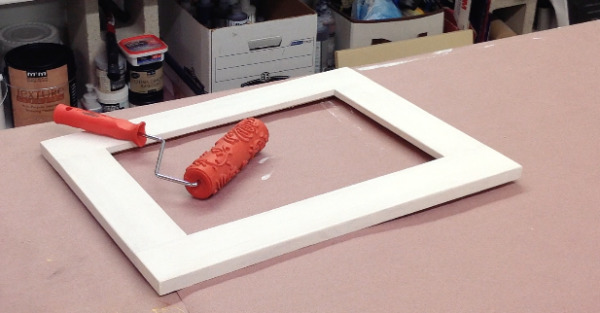
My frame was create by a local wood-crafter that makes a lot of projects for me – this was designed to provide me with a wide frame area to create on and will be finished with a chalkboard installed. You can also try your local craft store – I’m sure they will have something fun for you to paint.

Frame painted with Home Plate by American Paint Company

I started out with painting the frame Home Plate – one of the colors by American Paint Company. Once it was dry, I wet sanded it to create a smooth surface – this was accomplished by using Cheesecloth and water. Just rub back and forth – it will remove some of the paint as it smooths out the paint. This is why a little of the raw wood was showing when I was starting to paint on the second color.

Painting on the Shoreline by American Paint Company

I picked Shoreline by American Paint Company for my contrasting color – I did want a strong contrast in color for this technique (and Shoreline is one of my favorite colors)!

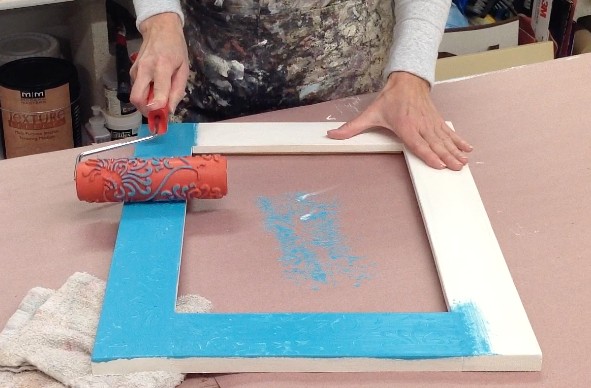
I gathered the my supplies and the Chrysanthemum Roller for my second layer. This is where the fun begins!!! Just paint on the Shoreline, I painted one side at a time to allow the paint to set up a little, but not too much – need to roll through before it dries. Once you have an area painted, just roll through the wet paint and the roller removes the paint creating the pattern. It’s best to “off-load” the roller on some paper so that the roller will continue to lift the paint as you roll. I like to off-load after each section.

Rolling through the wet paint

Once you have painted the areas that you planned to roll through and all the rolling is done – I then finished out the sides and allow the paint to dry.

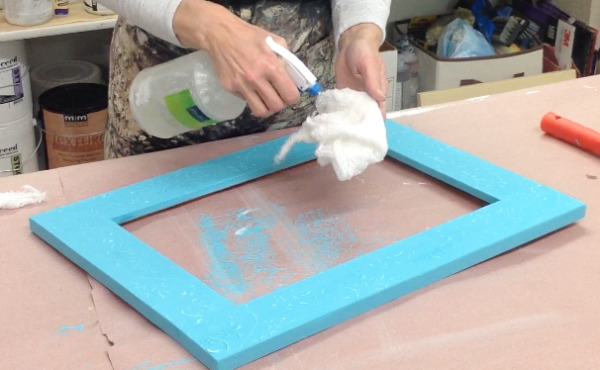
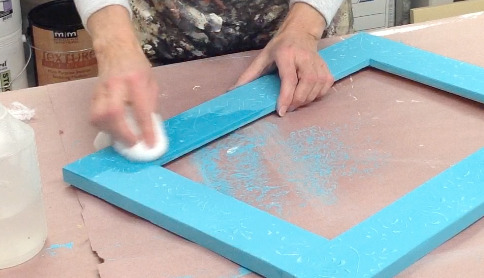
After everything has dried – I began to Distress the painting. I like using a wet-distress technique – Cheesecloth and water! You can spray the water onto your cheesecloth as well as spray water on the painted area that you plan to distress – I like to spray the painted area so that it’s easier to remove and I work less! Distressing is a personal thing to me – I think everyone has the “creative license” to distress as much or as little as desired – it’s a personal taste thing…….so distress as much as you would like! When using the rollers – it will peak up the paint and make a physical texture – I like to wet sand the surface to make it smooth as well as distress the finish. Again, after getting your project wet and distressing the finish – you will need to allow the paint to dry before you can do anything else……..I hate watching paint dry – so I usually have several projects going at once.

Spraying water onto the Cheesecloth

Distressing the finish with water and cheeselcoth

Now we are onto the Wax – I love what the wax does to the paint. It deepens the colors and brings out the richness of the paint. You can use your favorite Wax Brush or Cheesecloth to apply the wax – again, personal preference. Either way, less is best – don’t lay the wax on thick and heavy – it will take forever for it to dry. Thin wins with Waxing – just put on a small amount to the ends of your wax brush or pick up a little with the cheesecloth and rub it over the painted area – I try and spread it out as far as it will go before picking up more wax. (Also – you should always remove the wax from the container and put it onto a disposable surface – that way you don’t contaminate the entire can of wax).

Applying wax with European Wax Brush

Applying Dark Wax with Cheesecloth

I like to apply Clear Wax first – you can let the clear wax dry or you can just put the Dark Wax right over the Clear Wax. The longer you allow the clear wax to dry – the more control you will have with the Dark Wax. I went right over the clear wax with the dark wax – don’t even think I waited a minute – but I was looking for a darker distressed finish.

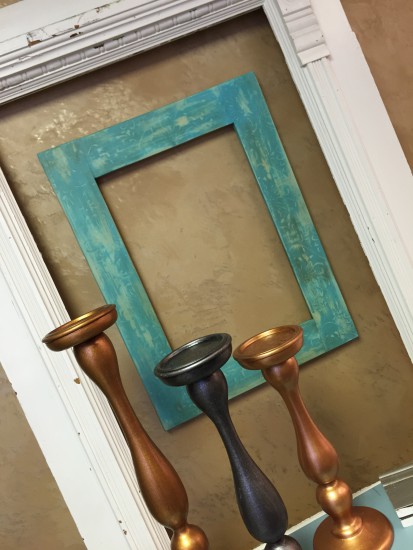
Completed frame and all your supplies

List of supplies and materials for this project:

Check out the video to watch the process and many thanks for watching and reading!!! Rolling with American Paint Company

Blessings,

Jenn


More Tips & Tricks for using Decorative Art Rollers…

The love and popularity of Decorative Rollers continues to grow as more people discover this wonderful tool.  So, I’m here once again to share more of my Tips & Tricks for using these rollers and making your projects easy and fun!  In my collection of Decorative Art Rollers I have 30 patterns to choose from,  so this is your first task – trying to figure out which roller you want to play with…..For some people this is one of the hardest things, deciding which pattern to buy!!! But once you have that roller in hand, you need to know how to use it.

I have created several YouTube videos which can be found on my channel – Artistic Painting Studio YouTube – watch all three videos and see how easy it is to use these rollers – each video shows a little different technique.

The easiest technique for using the Rollers is a “negative” technique.  Let me explain what I mean – these rollers are designed to make an “impression” into some wet material.  Like in the videos – I demonstrate applying a texture medium or glaze for you to roll into/through – this gives you a negative impression of the pattern.

July 10 029
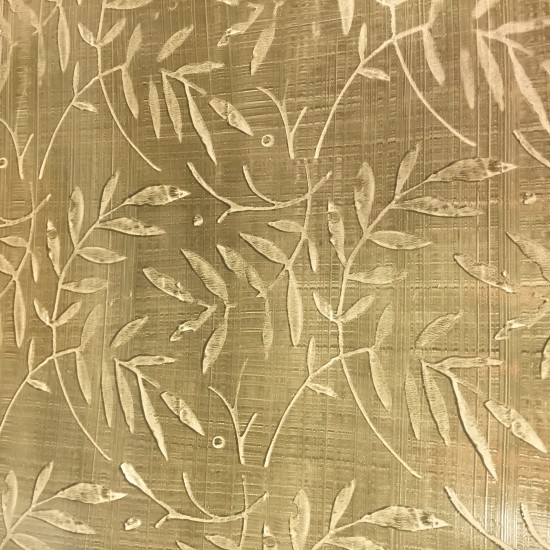
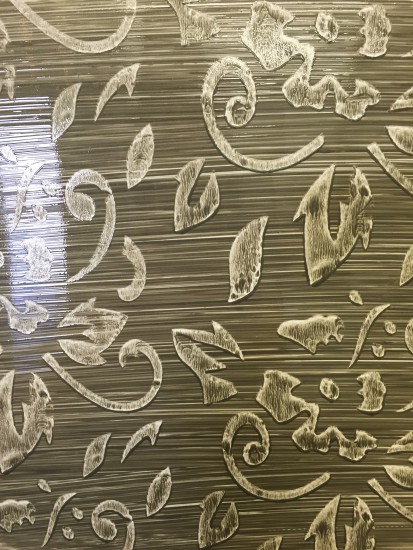
Hand brush glaze in a vertical/horizontal Stria and then rolled Artsy Leaf Decorative Art Roller.

Glaze is the easiest medium to work with when you are getting started – this medium stays wet for a long time and will allow you to apply the glaze and have plenty of time to roll through the wet glaze.  I like to let the glaze to “set-up” for a few minutes after applying to the surface – otherwise you might slide in the glaze.  Also, make sure that your roller head is spinning freely on the handle – if not “lube” the bar with a little Pam Cooking Spray – this works great!

Here are a few projects that have been created with the rollers by customers and students – the medium that has been rolled through is a colored Glaze.

Created by Karen Gideon of Junque in my Trunk
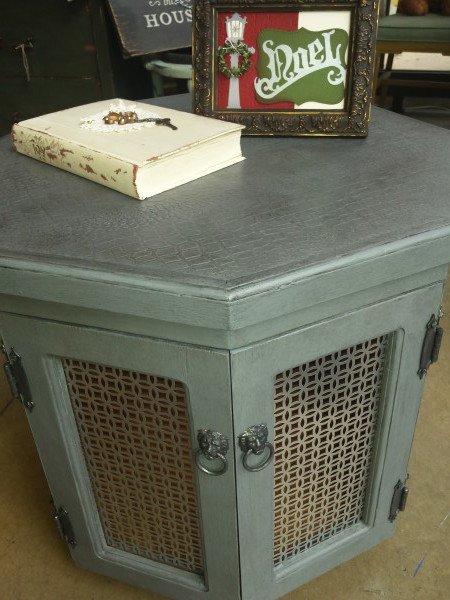
Created by Karen Gideon of Junque in my Trunk – using the Crocodile Roller
Created by Karen Gideon of Junque in my Trunk
Created by Karen Gideon of Junque in my Trunk – using the Crocodile Fauxy Roller
Primrose Roller
Primrose Fauxy Roller


My favorite medium to roll through is my Texture Medium by ArtsSyVille Embellishments – I have worked hard on creating a texture medium that is easy to roll through!  One thing that is really important when rolling through a applied texture, is to keep the application “thin” – I always say to my students “Thin Wins”!!!  If you have applied the texture to thick on the surface it just clogs up the roller and you will have to wash it more often……and that’s not any fun!

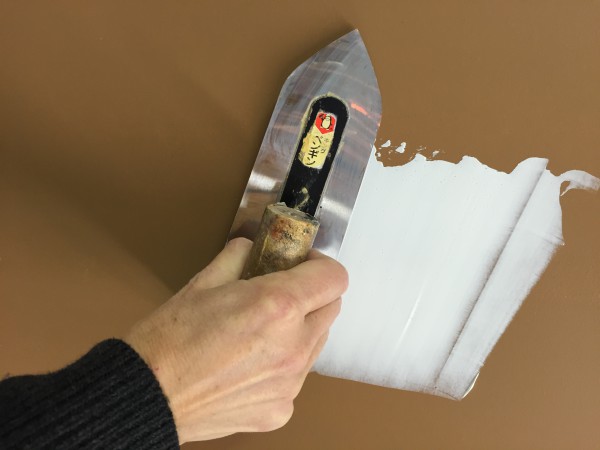
As shown in the videos – I like to “trowel” on my products – but, the trowel has become one with my hand! I know I make it look so easy and it is for me……but that took some work – I have been using a trowel for at least 25 years – so it should be easy for me!!!  If you decide to try this method of application I would like to share some helpful information – like the trowel that I use.  This is a Japanese Trowel (you will find it on this page) and it is very light, slightly flexible and the easiest trowel to work with – great for beginners and experts – I LOVE MY TROWELS!!!  Best to get a practice board and some material to play with – this can be joint compound (which is very inexpensive to play around with) and play with the application of troweling onto the surface.  I say “less is best” with how much material you put on your trowel.  Don’t load a huge glop of product and think you will control it – you can scoop out of the bucket or pick it up from a “hawk”.  If you are right handed – you will load the right side of the trowel.  (If left handed – load the left side).  Make sure to watch the videos – they will show you how I load the trowel and apply the material!!!

Loading the right side of the trowel.

Now it’s time to apply this Texture Medium to the surface – the angel of the trowel is important.  When applying the texture to the surface you want a low angel, so that the material will transfer to the surface area – if it’s too thick in some places and you want to spread it out thinner – increase the angel of the trowel and this will spread and/or thin the material.  Practice, practice, practice – it get’s easier each time you do it.  Keep watching my videos – I show how to trowel the material onto the surface.

Applying Texture Medium to the surface

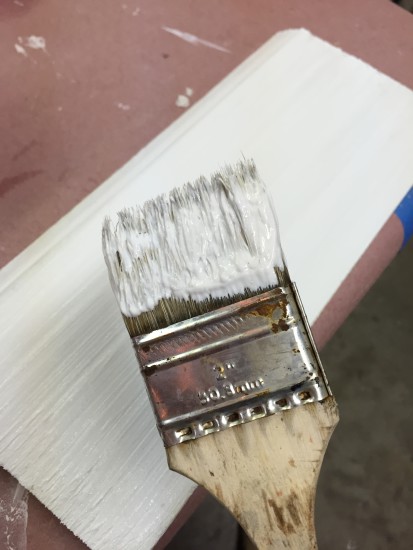
If you have total failure or hate the trowel (hate is such a strong word) – you can always brush the texture medium onto the surface – if you have doing a small project like drawer fronts – this will be an easy application.  Just use a “chip” brush and apply the Texture Medium as thin as possible – you will have some brush strokes in the texture, but that is just added interest!

Apply Texture Medium by Chip Brush

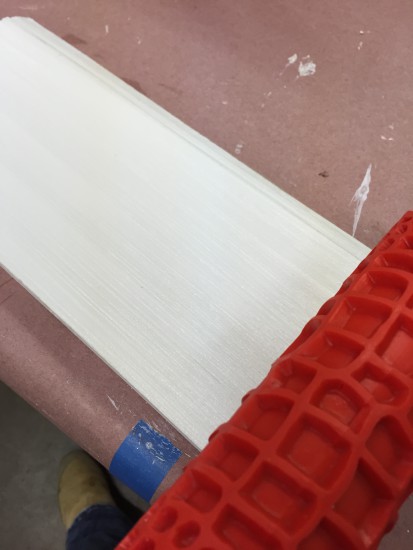
So now that you have the texture medium onto the surface – we need to get rolling while the medium is wet.  Always check the roller to make sure it is spinning well – this will prevent you from sliding in the material, instead of rolling.  Just roll through the wet material – it is as easy as that.  If you’re not happy with the print – smooth it out and roll again.  Really, really – it’s that easy!

Rolling Crocodile Roller through wet material.
Rolling Crocodile Fauxy Roller through wet material.

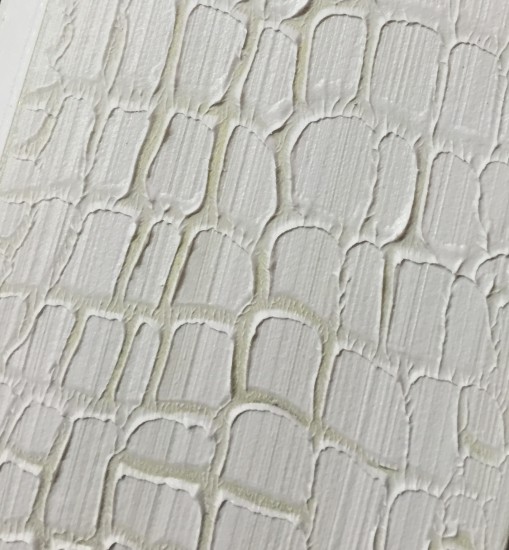
You will most likely have some “peaks” that are created from the roller pulling up the material – the thinner the application, the less peaks you will have.  Just wait for the material to completely dry and then sand down as much as you want – I basically do a light sanding to eliminate the rough/high areas.

High peaks that need to be sanded.

Now it’s time to finish the project –  you can paint the texture, glaze the texture or even apply a wax.  There are so many options to create with these rollers, just let your imagination run a little wild!  You can create on Furniture – Cabinetry – Walls – Fabric – Canvas – the options are endless!

Here are some wonderful examples that have been created by customers and students – These are some AWESOME projects!!!

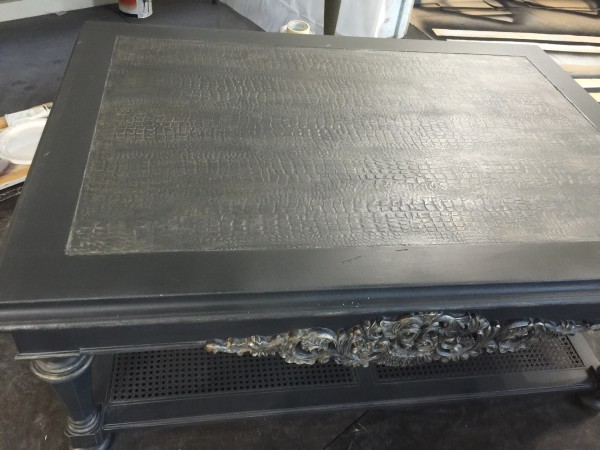
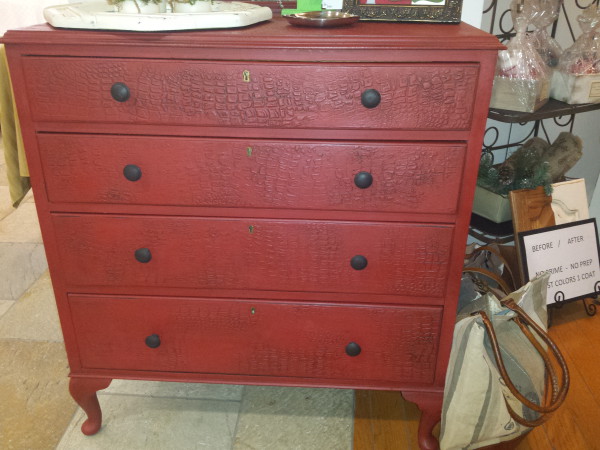
Created with Crocodile Roller.
Created with Crocodile Decorative Roller.
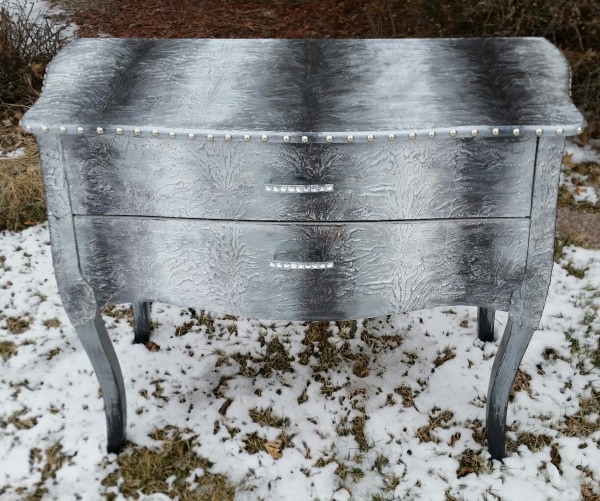
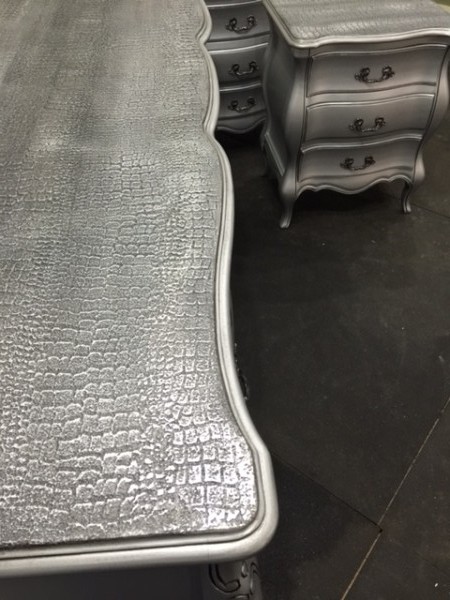
Created with the Tiger Roller by RockStar GlamHouse!
Created with the Tiger Fauxy Roller by RockStar GlamHouse!
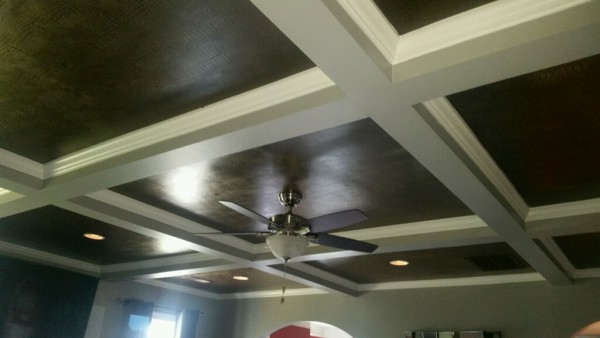
Ceiling created with Crocodile Roller by Herb Shropshire.
Ceiling created with Crocodile Fauxy Roller by Herb Shropshire.
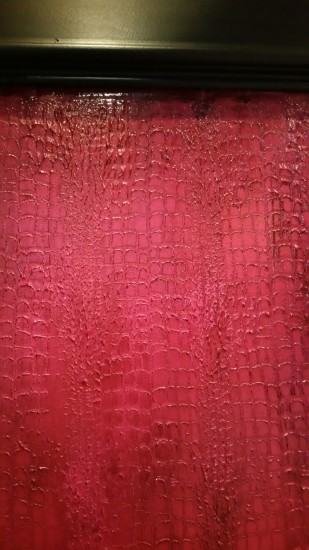
Wall panel created by Sandy Aicinena.
Created with Crocodile Roller.
Created with Crocodile Fauxy Roller.
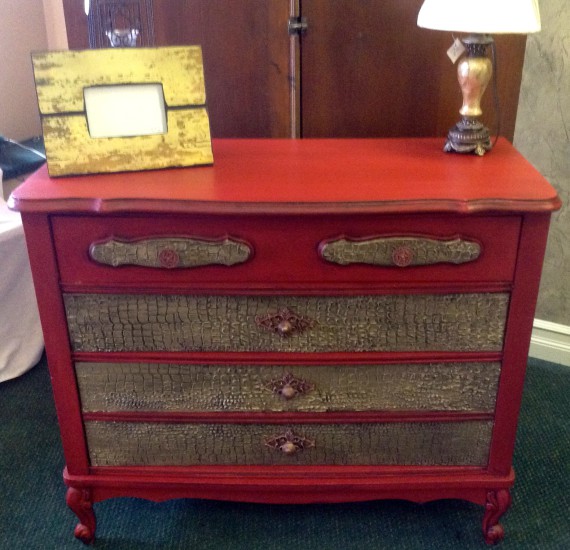
Created with Crocodile Roller
Created with Crocodile Patterned Roller
Created by student using Crocodile Roller
Created by student using Crocodile Decorative Roller
Created by Lisa DeSantiago.
Created by Lisa DeSantiago using the Crocodile Fauxy Roller.

As you can see the most popular roller is the Crocodile pattern or at least this is the one everyone has sent me pictures of projects (also – if I didn’t tag you in a project, please let me know – I had not tagged all the photos and wasn’t sure whom some of them came from – SORRY)!!!

Now – if you are planning to attack a wall – there is more information I would like to share (most of this has been covered in my last Blog about using the rollers – Pattern Rollers – Another Obession).  When going for a larger project, it is nice to have several rollers for the job.  One to keep as is and one to cut in half and maybe one to cut up and make a stamp with!!!  If you have one large feature wall – no problem to have one roller.   But if you project is a room, there will be different wall areas to deal with, like the small narrow space next to a door jam.  This is when several rollers will come in handy – there is also a tool that you will find in the “clay” area of a hobby store called the “Wipe-out Tool” – it’s rubber tipped on both ends and we use it to “carve” the pattern if the roller can’t get into those areas – like getting all the way to the ceiling line.

Cutting the roller in half for two smaller rollers.

I also like have a 5 gallon bucket with water to throw the dirty rollers into and for the easiest clean up – use your hose and a 5 gallon bucket outside, the pressure gets all the product out of the crevices or just use a scrub brush.

I sure hope that you will give the Decorative Art Rollers a try and please let me know if there is any additional information that you need before you getting ROLLING!!!

Check out my YouTube Channel and watch all the different video’s on working with the Decorative Rollers – make sure to subscribe to my Channel!!!

Blessings for a wonderful rolling day

Jennifer R Ferguson